In the rapidly evolving landscape of modern work, flexible workspaces have emerged as a critical component of organizational success. As businesses adapt to changing employee needs and market demands, the importance of creating environments that foster productivity and collaboration cannot be overstated. This article explores the value proposition of flexible workspaces, addressing user needs and motivations while highlighting the benefits and practical outcomes associated with these innovative solutions.
Understanding Flexible Workspaces
Flexible workspaces refer to environments that allow for adaptability in how and where work is conducted. This can include co-working spaces, hot-desking arrangements, and remote work options that cater to the diverse needs of employees. According to recent studies, 70% of employees report that they would prefer to work in a flexible environment, indicating a significant shift in workplace expectations. By embracing flexible workspaces, organizations can enhance employee satisfaction and retention, ultimately leading to improved performance and productivity.
Moreover, flexible workspaces can significantly reduce overhead costs for businesses. Traditional office setups often require long-term leases and extensive resources to maintain. In contrast, flexible workspaces allow companies to scale their operations according to current needs, providing a cost-effective solution that aligns with fluctuating market conditions. This adaptability not only supports financial sustainability but also positions businesses to respond swiftly to changes in demand.
Ergonomic Workspace Consulting
One of the key aspects of flexible workspaces is the emphasis on ergonomic design. Ergonomic workspace consulting focuses on creating environments that prioritize employee health and comfort. Studies have shown that ergonomic workspaces can reduce workplace injuries by up to 40%, leading to fewer sick days and increased productivity. By investing in ergonomic solutions, companies demonstrate a commitment to employee well-being, which can enhance morale and foster a positive workplace culture.
Additionally, ergonomic consulting can help organizations identify specific needs based on employee feedback and usage patterns. This tailored approach ensures that workspaces are not only functional but also conducive to individual work styles. As a result, employees are more likely to feel valued and engaged, which can translate into higher levels of creativity and collaboration within teams.
Remote Work Optimization
The rise of remote work has transformed the way businesses operate, making remote work optimization essential for success. Companies must implement strategies that support remote employees, ensuring they have the tools and resources needed to perform effectively. This includes investing in technology that facilitates communication and collaboration, such as video conferencing tools and project management software. A recent survey indicated that 83% of remote workers feel more productive when they have access to the right technology, underscoring the importance of optimizing remote work environments.
Furthermore, remote work optimization can lead to significant cost savings for businesses. By reducing the need for physical office space, companies can allocate resources more efficiently, investing in employee development and technology instead. This shift not only enhances operational efficiency but also positions organizations to attract top talent who prioritize flexibility and work-life balance.
Collaborative Office Design
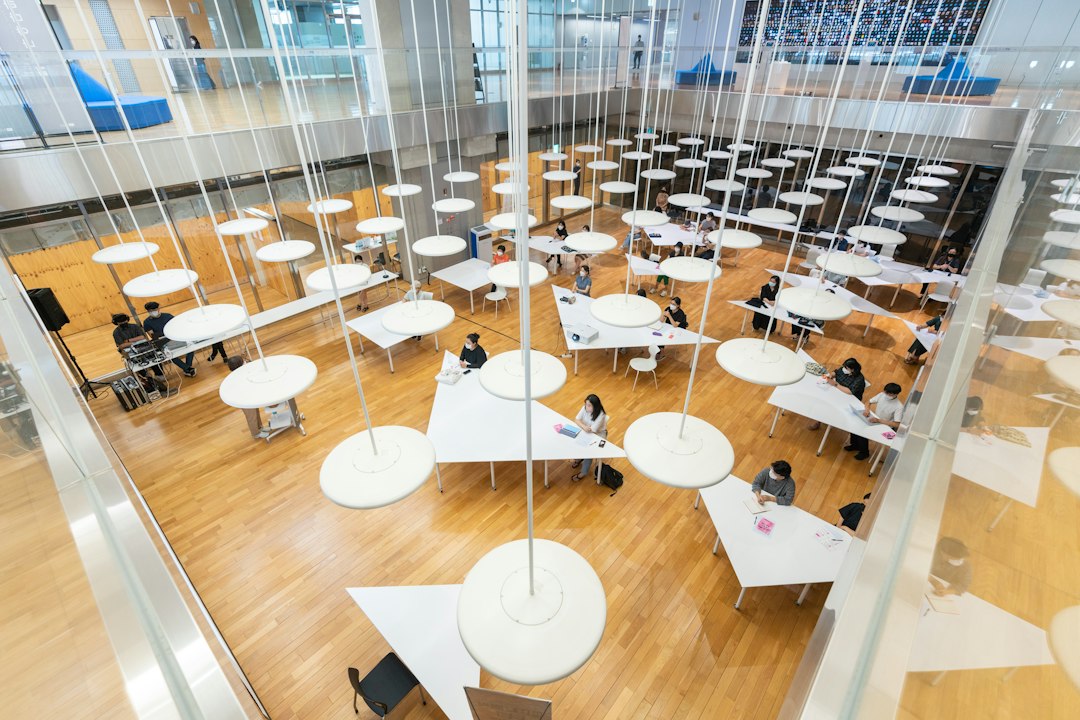
Collaborative office design is another critical element of flexible workspaces. By creating spaces that encourage teamwork and interaction, businesses can foster a culture of collaboration and innovation. Open floor plans, breakout areas, and shared resources are all components of collaborative office design that can enhance communication among team members. Research shows that organizations with collaborative workspaces experience a 15% increase in employee engagement, highlighting the positive impact of such environments on overall productivity.
Moreover, collaborative office design can facilitate knowledge sharing and creativity. When employees have the opportunity to interact in informal settings, they are more likely to exchange ideas and collaborate on projects. This synergy can lead to innovative solutions and improved problem-solving capabilities, ultimately driving business success in a competitive market.
Smart Office Technology
Integrating smart office technology into flexible workspaces is essential for enhancing efficiency and productivity. Smart technology solutions, such as IoT devices and automated systems, can streamline operations and improve the overall workplace experience. For instance, smart lighting and climate control systems can adjust based on occupancy, reducing energy costs and creating a more comfortable environment for employees. Key Insight: Companies that invest in smart office technology can expect to see a return on investment of up to 30% through increased efficiency and reduced operational costs.
Additionally, smart office technology can provide valuable data insights that inform decision-making. By analyzing usage patterns and employee feedback, organizations can continuously refine their workspace strategies to better meet the needs of their workforce. This data-driven approach not only enhances workplace satisfaction but also positions businesses to remain agile in a rapidly changing economic landscape.
Sustainable Office Innovations
As businesses increasingly prioritize sustainability, incorporating sustainable office innovations into flexible workspaces has become essential. Sustainable practices, such as using eco-friendly materials and implementing energy-efficient systems, can significantly reduce a company’s carbon footprint. A recent report found that 66% of employees prefer to work for companies that prioritize sustainability, indicating that eco-conscious practices can enhance employer branding and attract top talent.
Furthermore, sustainable office innovations can lead to long-term cost savings. By investing in energy-efficient technologies and sustainable materials, companies can reduce operational costs while contributing to environmental preservation. This commitment to sustainability not only benefits the planet but also resonates with employees who value corporate responsibility, fostering loyalty and engagement within the workforce.