In today’s fast-paced work environment, the design of a workspace plays a crucial role in enhancing productivity and employee satisfaction. Many organizations are recognizing that a well-thought-out workspace can significantly impact their team’s performance and overall well-being. At Nooks Designers, we specialize in creating flexible workspace solutions that cater to the diverse needs of modern businesses.
Understanding the Challenges
Meet Sarah, a project manager at a mid-sized tech company. Sarah faced a common challenge: her team was struggling with collaboration and communication due to a poorly designed office layout. The open-plan design created distractions, while the lack of designated quiet areas made it difficult for team members to focus on their tasks. This situation led to frustration and decreased productivity among her team.
After realizing the impact of the workspace on her team’s performance, Sarah sought the help of Nooks Designers. Our team conducted a thorough assessment of her office environment, identifying key areas for improvement. We understood that addressing these challenges required a thoughtful approach to workspace design that prioritized both collaboration and individual focus.
Flexible Workspace Solutions
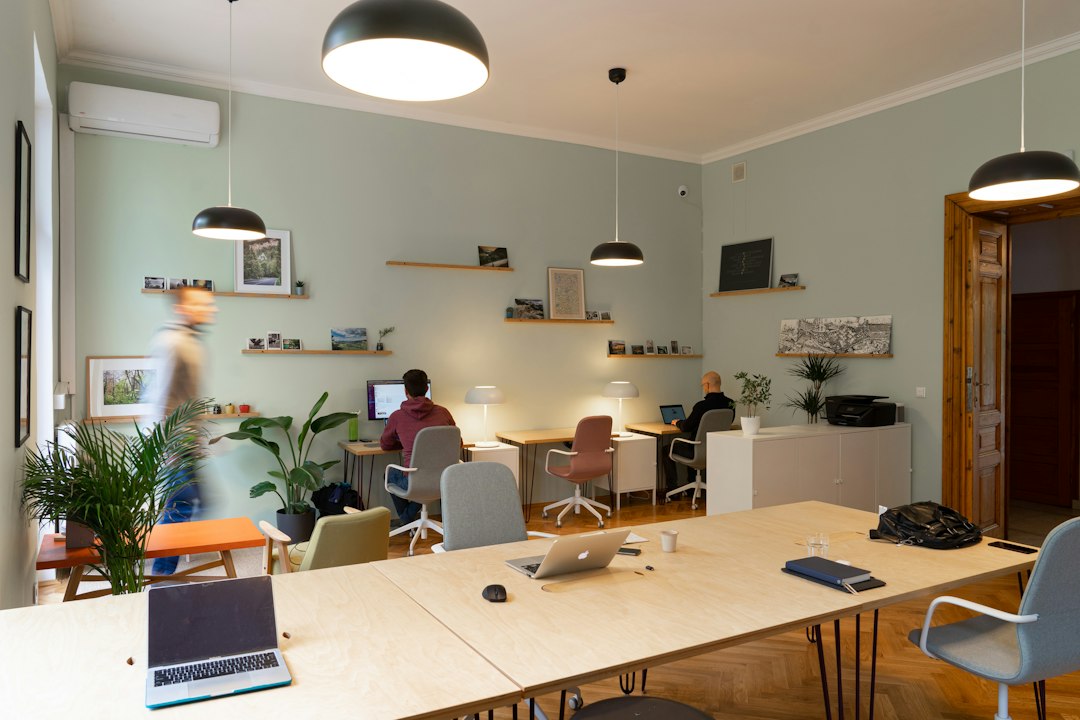
One of the first steps we took was to implement flexible workspace solutions tailored to Sarah’s team’s needs. We introduced a variety of workspaces, including collaborative zones, quiet booths, and multifunctional meeting rooms. This flexibility allowed team members to choose the environment that best suited their tasks, whether they needed to brainstorm ideas or concentrate on detailed work.
As a result, Sarah’s team experienced a remarkable transformation. The new layout encouraged spontaneous collaboration while also providing the necessary privacy for focused work. Team members reported feeling more empowered and engaged, leading to improved morale and productivity. This case exemplifies how flexible workspace solutions can address specific challenges and enhance overall workplace dynamics.
Ergonomic Workspace Consulting
In addition to flexible designs, we emphasized the importance of ergonomic workspace consulting. Sarah’s team was spending long hours at their desks, which led to discomfort and health issues. We conducted ergonomic assessments to ensure that each workstation was optimized for comfort and efficiency.
By providing ergonomic furniture and personalized adjustments, we helped reduce strain and fatigue among team members. This investment in their well-being not only improved their physical health but also contributed to increased focus and productivity. Sarah learned that prioritizing ergonomics in workspace design is essential for fostering a healthy and productive work environment.
Remote Work Optimization
With the rise of remote work, Sarah’s company also needed to adapt to a hybrid work model. We assisted in optimizing remote work strategies by integrating smart office technology that facilitated seamless communication and collaboration between in-office and remote team members. Tools such as virtual meeting platforms and project management software became essential in bridging the gap.
By creating a cohesive remote work experience, Sarah’s team was able to maintain their productivity regardless of their location. The flexibility to work from home or the office empowered employees to choose their preferred work environment, leading to higher job satisfaction and retention rates. This experience highlighted the importance of adapting workspace solutions to accommodate evolving work trends.
Sustainable Office Innovations
Finally, we introduced sustainable office innovations that aligned with Sarah’s company’s values. We focused on incorporating eco-friendly materials and energy-efficient technologies into the workspace design. This commitment to sustainability not only reduced the company’s carbon footprint but also resonated with employees who valued environmental responsibility.
By creating a workspace that reflected these values, Sarah’s company fostered a culture of sustainability that inspired employees to engage in eco-friendly practices both at work and home. The positive impact on employee morale and brand reputation demonstrated that thoughtful workspace design can extend beyond aesthetics to encompass broader social responsibilities. Lesson learned: investing in a well-designed workspace is not just about aesthetics; it’s about creating an environment that supports productivity, well-being, and sustainability.